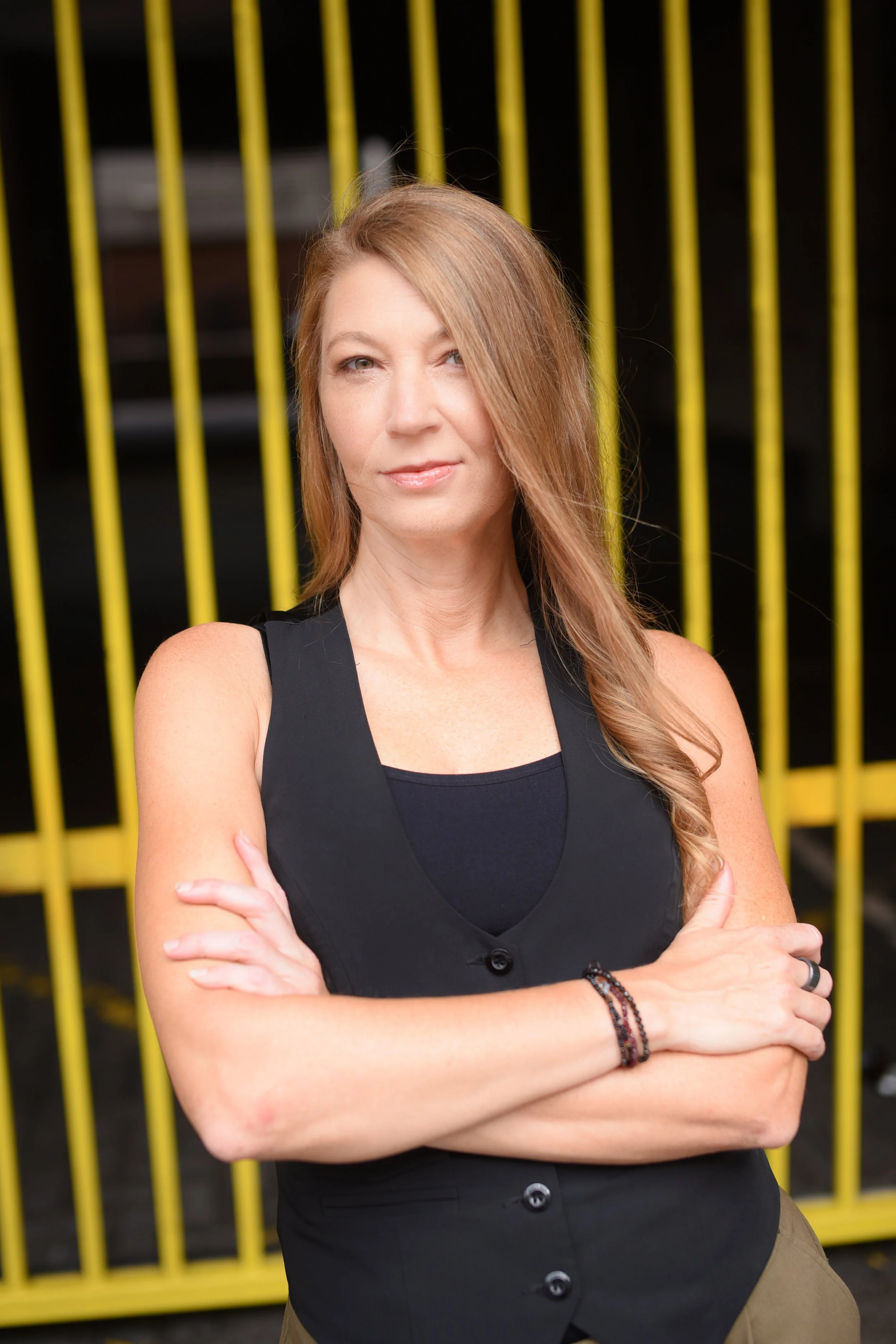
I am not a resume. I am not a portfolio. I am a decision, made two decades ago and remade on every project since: that the built world should hold everyone, or it hasn't done its job.
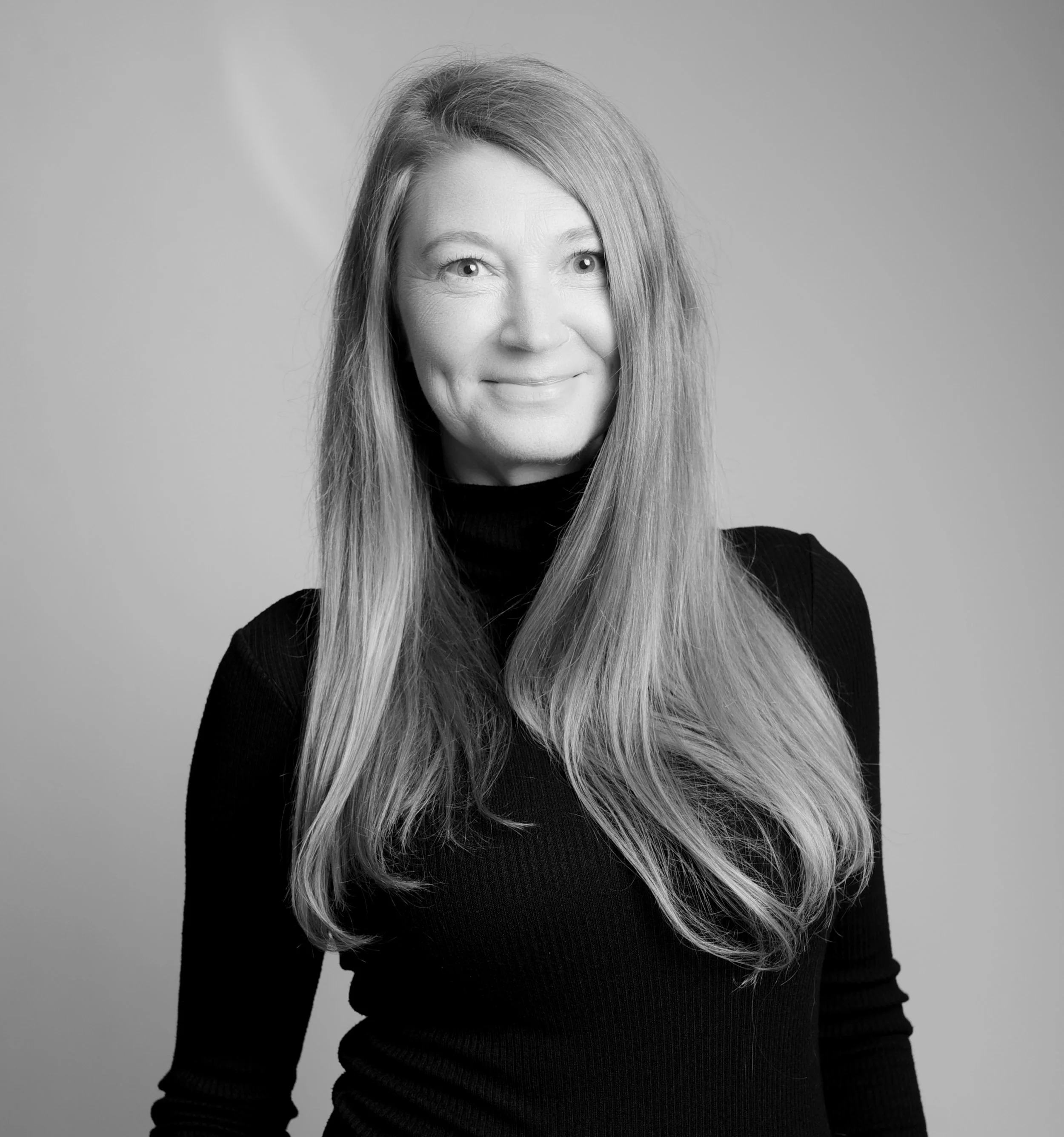
My Elevated Purpose
My objective has always been increasing potential for people to live better, and contributing to human flourishing by supporting optimal human functioning, taking into consideration all life. I restore the relationship between human, nature and place. That to me is a true definition of placemaking.
My Guided Philosophy
I observe. I ask the questions that haven't yet been asked. I listen, I analyse, and I find solutions. Then implement them in the most ethical, circular, and sustainable way possible. This is not a tagline; it is the literal sequence of every project I lead, from a private residence to a government backed regenerative agriculture venture.
Origins Story
I was five years old when my parents moved us from a countryside into the city, into a housing estate that was still being built. I lived on a construction site. I played among concrete blocks. I watched out of my bedroom window how cranes lifted these massive panels and I was fascinated.
My father worked in construction. So did his father, and his father before him. My mother loved arts and crafts, so I had access to both worlds, the technical and the creative one, the structural and the felt one.
I grew up in Czechoslovakia in the 80s and 90s, in the tail end of an era where architecture's entire purpose was to optimise living conditions for the collective. Brutalism, modernism, and utility above all else. Heritage wasn't preserved, it was considered old, something to be replaced by progress. I watched an entire built world get erected around me in real time, and I kept wondering what are adults creating and why? I wanted to understand cause and effect, the feedback loop, what the built environment does to our bodies and minds, and what we, in turn, do to the land by building on it.
Then the Berlin Wall came down. The Soviet Union collapsed, and with it, the story of a world view we knew crumbled together with the entire economic system I had lived in. So instead of pursuing architecture I studied banking and economics, a practical choice in an impractical time. My heart was never in it. After a brief stretch working in a bank, I left, and earned a degree in interior architecture instead. I chose interior architecture deliberately, not architecture in the abstract, but the discipline closest to how humans actually use space. I wanted to understand how to maximise human potential through the interior itself; how a space could serve and promote not only optimal human functioning but primarily human wellbeing. How space may perform far beyond its aesthetics. Any designer can make something beautiful, that is not the objective, that is the bare minimum.
My horizon gradually widened into universal design and equity of experience. I realised we design almost exclusively for a narrow margin of humanity, and everyone outside that boundary is left to experience exclusion. So my purpose became making the built environment genuinely accessible, not as an add-on, but as the actual design brief.
Despite growing up in the city, my heart was in the countryside. Nature has shaped me longer than any building has. Furthermore, I grew up in a country where private land ownership did not exist, and when I moved to London, I saw firsthand how extractive and elitist the Western alternative really is, who benefits, and at what cost. I've now watched, over forty years, what concrete and modernism did to the place I grew up in. And when I see nations racing to urbanise today, I recognise the image unfolding. The same mistakes Europe made, sold again as the pinnacle of progress. The wealth is not in the glass and concrete towers. It is in the heritage.
Three Identities, One Practice
System Disruptor
a non conforming misfit by design. I do not accept manufactured, fast templates, and I will not let a brief go unquestioned. Dismantling systems that discriminate by design is not disruption for its own sake. It is necessary, overdue work.
Inclusive Visionary
I design for equity of human experience and not for the average scenario a design brief assumes. My mandate extends beyond human; my ambition is to design with all life in mind, within the limits this planet can sustain. A building that serves people while depleting what sustains them was never inclusive to begin with.
Knowledge Weaver
I work across disciplines, generations, and worldviews. An architect, mentor, translator of lived experience into applied design wisdom. If you are early in this field, I want you to feel the pull to learn everything you can from what I have gathered the hard way, so you don't have to. If you have been doing this work for longer than I have, I hope you recognise a fellow craftswoman, someone who treats what has been earned through experience as worth carrying forward, not reinventing from scratch. My role is as much to cultivate the next generation of designers and real estate professionals as it is about the projects themselves. Weaving heritage, culture and wisdom with expertise, knowledge and experience into a fabric of future urbanism.
What I will not compromise on
Accessibility is not a compliance checkbox added at the end. It is the first question I ask, not the last.
Sustainability claims without regenerative practice are marketing not architecture. I do not produce marketing.
I will not design for the average case at the expense of the people that average does not consider.
Land is held in stewardship, not treated as a one time extraction opportunity, on every project, regardless of scale.
I will not sell concrete as progress to places still holding what we were so eager to throw away.
I will not take a project where the client's values and mine are not genuinely aligned.